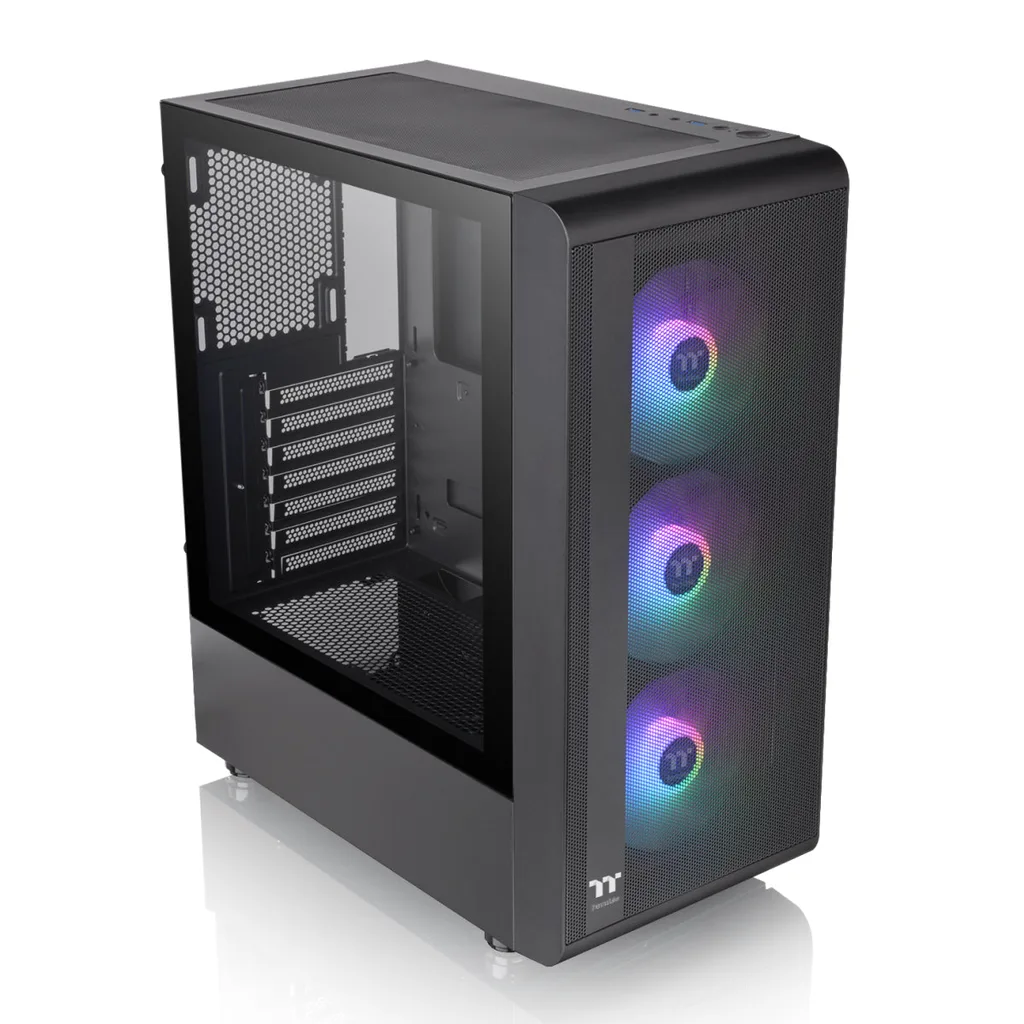
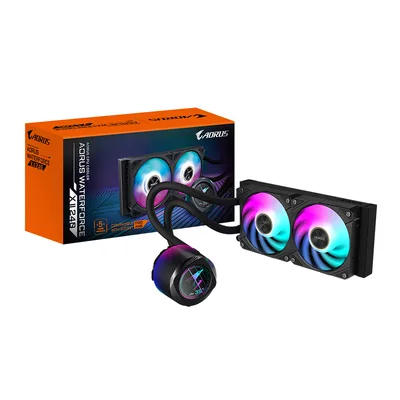
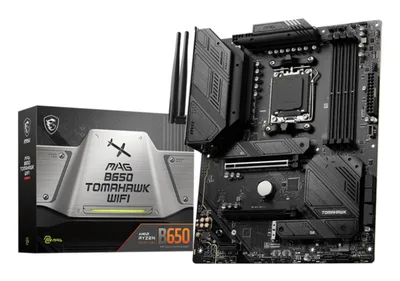
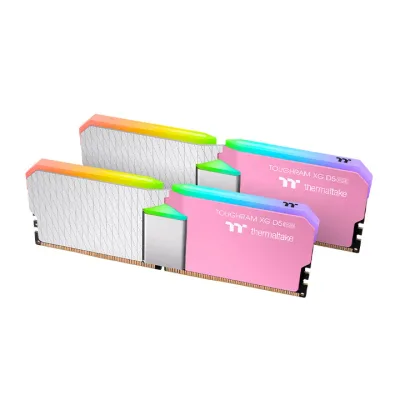
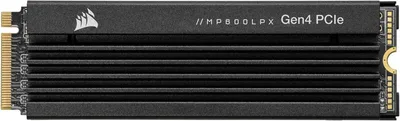
Catalogue photography — not a photo of this machine
This build leverages the Ryzen 7 9800X3D and MSI B650 motherboard for seamless virtualization, with robust cooling from the Gigabyte AORUS 240 AIO and speedy Corsair MP600 storage.
- 01
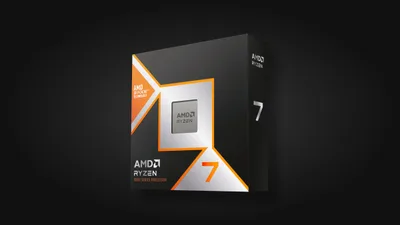 Ryzen 7 9800X3DProcessorAM5 · 8c · 5.2GHz · 120W—
- 02MSI MAG B650 TOMAHAWK WIFIMotherboardAM5 · ATX · DDR5—
- 0332GB · DDR5-5600—
- 0427mm—
- 05
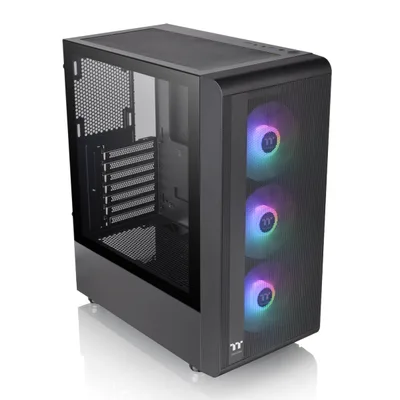 ATX/mATX/ITX—
- 06
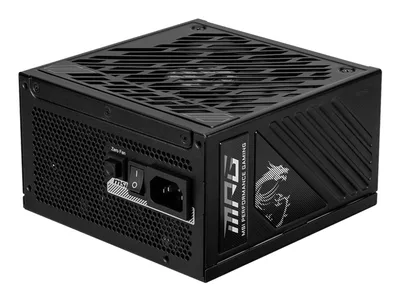 MSI MPG A850GS PCIE5Power supply850W · 80+ gold · ATX—
- 07Corsair MP600Storage2000GB · M.2—
11 comments
What will be the primary use for this build, and are there any specific workloads you're aiming to handle with the Ryzen 7 9800X3D?
The X3D makes sense for a server/homelab setup where you want consistent, efficient performance. Great pick for that use case.
@finn55 Thanks! I went with the X3D for its reliable performance in sustained workloads, which is perfect for server and homelab tasks. It should handle things smoothly without throttling.
The X3D is a solid choice for sustained workloads in a server/homelab setup. It should keep things running smoothly without throttling issues.
The X3D is definitely a smart pick for sustained server workloads. It should keep things steady without throttling.
@byte87 Interesting choice with the X3D for a server setup. How do you feel about the potential power consumption trade-off compared to a non-X3D option for sustained workloads?
@larsbuilds Agree with the focus on the X3D for sustained workloads—its design does aim for consistent performance, which is key for server/homelab use, even if power use is a consideration.
@tom_pcb Thanks for the insight! I definitely considered the power draw, but for a homelab, the reliability and consistent performance of the X3D were priorities for me.
Considering this is a server/homelab, have you thought about noise levels with the AORUS WATERFORCE X II cooler and S200 TG ARGB case for long-term operation?
@pixelpusher Good point about noise levels, especially for long-term server use. Those components could get loud if not managed properly, so it's worth looking into fan curves and possibly extra case fans.
@lisa98 Absolutely, noise management is key for a homelab setup. Tweaking fan curves and ensuring good airflow will help keep things quiet during long runs.
Register and verify your email to join the conversation.